BPC-157 Injection in 2026: Research, Reconstitution and Ranked Sources
Research-based guide to BPC-157 injection covering published studies, reconstitution math, injection routes and ranked vendor sources for 2026.
Current top picks
Prices and ratings come from the merchant pages.
Start with what you need
What we look at
Third-party testing
We look for a batch-level certificate of analysis published by the merchant.
Stated purity and fill
Purity percentage and milligrams per vial as stated on the product page.
Labeling and storage info
Clear research-use labeling, lot numbers and storage instructions.
Cost per milligram
Vials compared on price per milligram, not on sticker price.
The injection of BPC-157 is the most widely researched method for the use of this synthetic peptide which consists of 15 amino acids in preclinical studies. There are over 100 published studies involving the use of injectable BPC-157 in different animal models for studies of tissue repair, angiogenesis and gastrointestinal protective properties. All of them however have not involved human subjects during their studies. This page provides an overview of all published research onthe subject, how the compound is prepared for injection, which methods of administration are used and where it is possible to get BPC-157 research vials in 2026.
BPC-157 Injection in 2026: What the Research Covers
The literature on BPC-157 injection covers topics such as healing of wounds, repair of tendons and muscles, regeneration of nerves, and models of lesions in the gastrointestinal tract. All of the data were gathered from studies conducted on rodents, rabbits, or canines. The 2019 review by Gwyer, Wragg and Wilson listed over 100 preclinical trials, giving consistent results in terms of protection of tissues in different organs, while acknowledging that no efficacy trials have been conducted on humans.
Published Routes of Administration
Researchers have administered BPC-157 by at least five routes: intraperitoneal (i.p.), subcutaneous (s.c.), intramuscular (i.m.), oral (per os) and topical. Intraperitoneal injection accounts for the largest share of published studies because it provides rapid systemic distribution in small rodent models. Subcutaneous and intramuscular routes appear in studies targeting specific injury sites. Oral administration, while studied, uses the gastrointestinal tract and produces different pharmacokinetic profiles.
Why Injection-Format BPC-157 Dominates Research
Peptides are known as chains formed by amino acids. The oral route exposes peptides to gastric acids and peptidases necessitating degradation of the peptide before systemic absorption can proceed. With injections, this degradation is completely avoided and that is why most of the studies of BPC-157 use injection: it is more accurate at controlling the dose that has been delivered. BPC-157 has been found to demonstrate an unusual stability after oral delivery but injection is the standard route of administration in the preclinical setting.
How Researchers Prepare Injectable BPC-157
Reconstitution Basics
BPC-157 is sold as a lyophilized (freeze-dried) powder in a sealed glass vial. Before use in a research protocol, it must be reconstituted with bacteriostatic water or sterile water. The standard process: remove the vial cap, swab the rubber stopper with an alcohol pad, draw the desired volume of water into a syringe, and inject it slowly down the inside wall of the vial. The powder dissolves without shaking. Vigorous agitation can damage peptide bonds. We reviewed Real Peptides Bacteriostatic Water as a common supply for this step.
Concentration Arithmetic for Common Vial Sizes
The concentration of the reconstituted solution is determined by two variables: the quantity of peptide found in the vial (in mg) and the volume of water that has been added (in ml). The calculation is done by applying the relationship: concentration (mg/ml) = The amount of peptide (mg) divided by volume of the water added (ml). This is the chemistry calculation and not a dosage recommendation.
| Vial Size | Water Added | Concentration | Per 0.1 ml (10 IU on U-100) |
|---|---|---|---|
| 5 mg | 1 ml | 5.0 mg/ml | 500 mcg |
| 5 mg | 2 ml | 2.5 mg/ml | 250 mcg |
| 10 mg | 2 ml | 5.0 mg/ml | 500 mcg |
| 10 mg | 3 ml | 3.33 mg/ml | 333 mcg |
Injection Routes Studied in Animals
Intraperitoneal
Intraperitoneal injection refers to injecting a substance directly into the abdominal cavity. In the field of pharmacology with rodents, this is the preferred method as the substance gets into the portal system almost immediately and it is a quick procedure that is suitable for high throughput studies. A research study conducted by #study by Novinscak et al. (2008)# used the i.p. Technique to inject BPC-157 at the dose of 10mcg/kg in a rat model with a muscle crush injury and found faster recovery rates than the controls.
Subcutaneous
With the subcutaneous injection method, the injected liquid gets into the fat layer under the skin. Researchers prefer this method in case they wish for a slower absorption process or because they have a test subject's body area close to the injection spot in mind. There have been a number of tendon and ligament studies, which used subcutaneous BPC-157 injections near the injury site.
Intramuscular
An intramuscular injection is injected straight into the muscle. In the literature on BPC-157, this method is cited less often even though it has been used in studies exploring localized muscle recovery. An advantage consists in direct contact with the tissue, while a disadvantage for small mammals is a small muscle volume available.
Topical and Oral Comparisons
Topical BPC-157 has been applied to skin wounds and burn models. Oral administration has shown gastrointestinal protective effects in ulcer models. A study by Sikiric et al. (2010) compared multiple routes and found that BPC-157 produced tissue-protective effects regardless of administration method, though the magnitude varied by route and model. For a deeper comparison of these routes, see our injection vs oral comparison.
Ranked Injectable BPC-157 Sources for 2026
We track two vendors that sell research-grade injectable BPC-157 with verifiable product information. Rankings are based on price per milligram, published documentation and product availability as of October 2026.
| Vendor | Product | Amount | Price | Price per mg | COA Published |
|---|---|---|---|---|---|
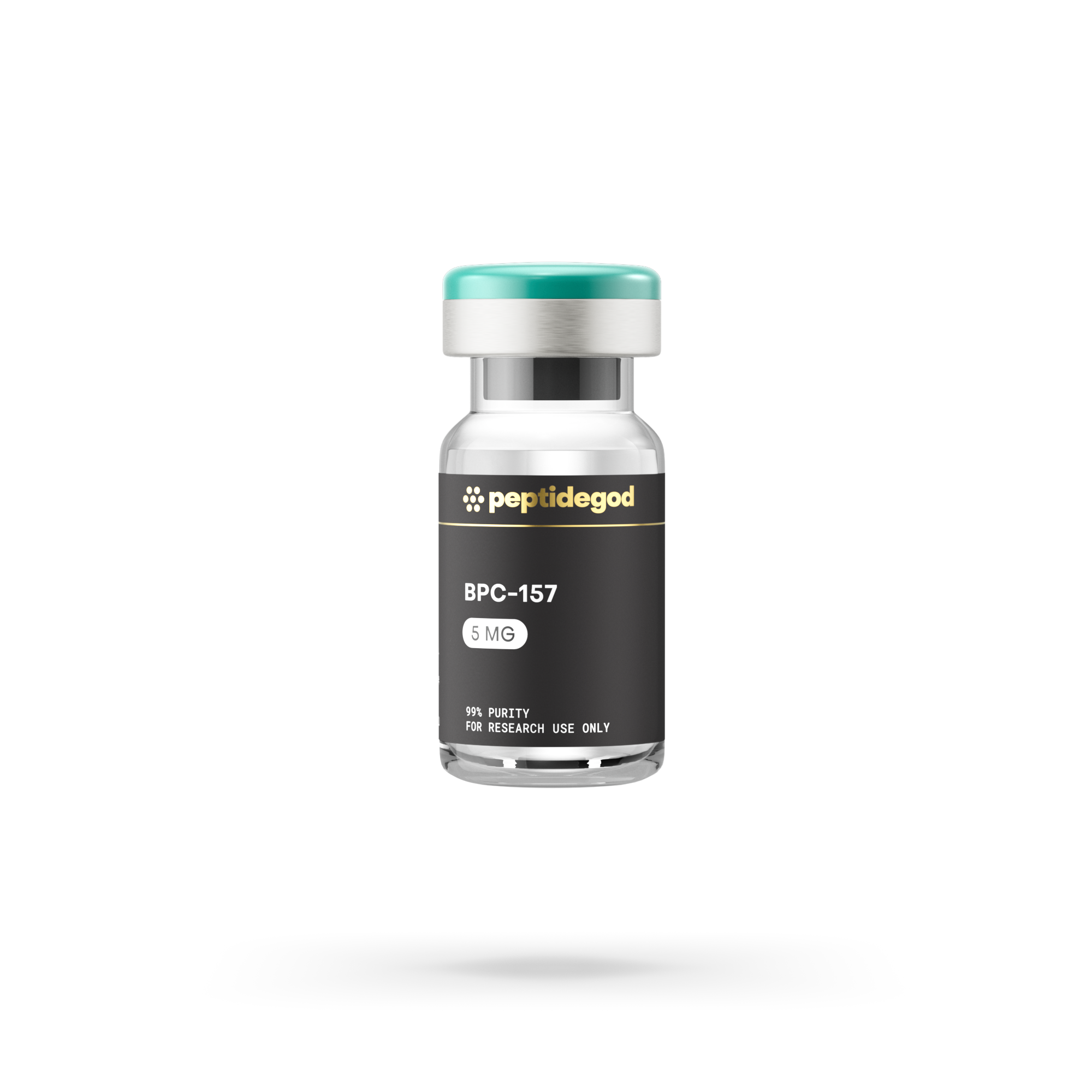
| Peptide God | BPC-157 | 5 mg | $34.95 | $6.99 | Not on page |
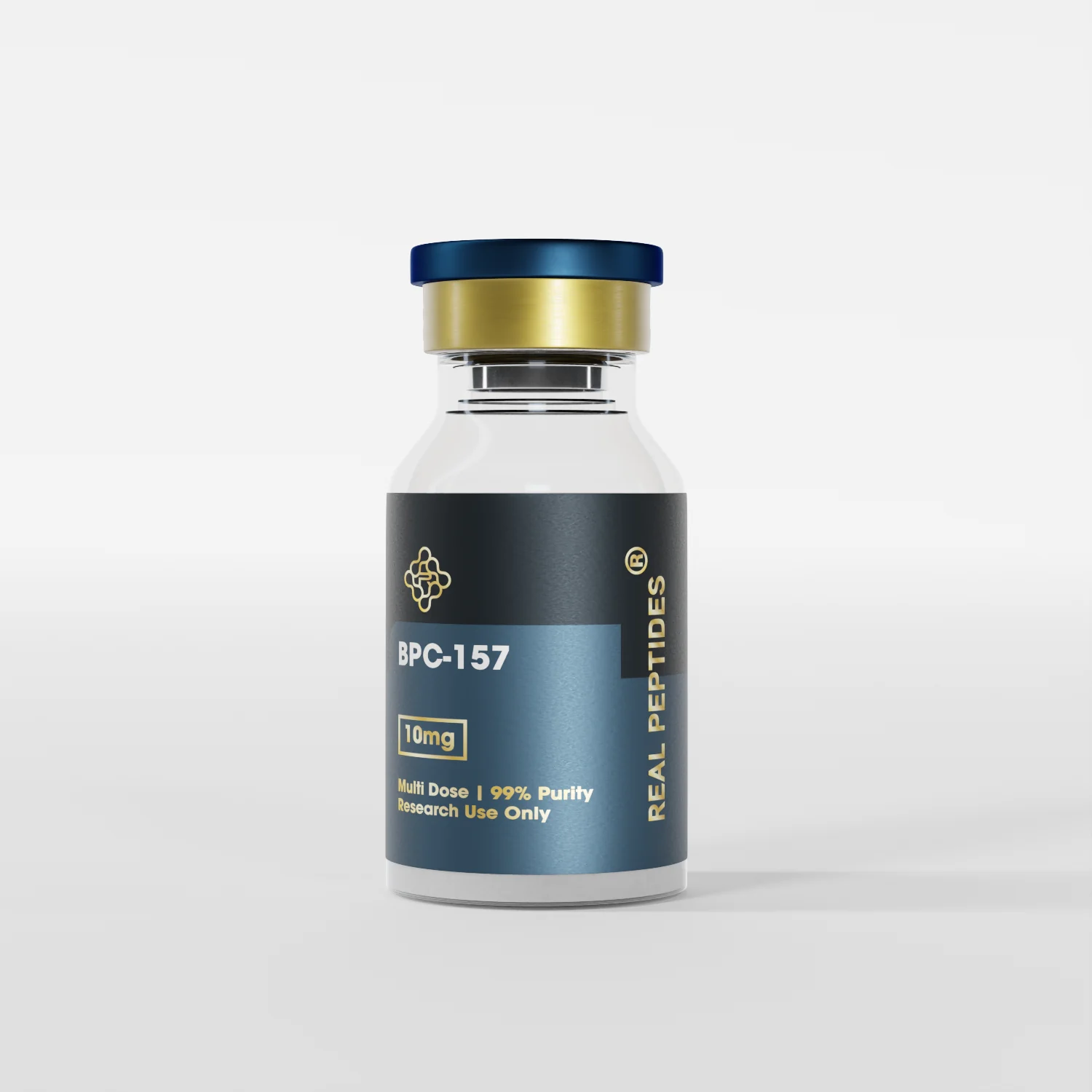
| Real Peptides | BPC-157 10mg | 10 mg | $43.20 | $4.32 | Yes (HPLC) |
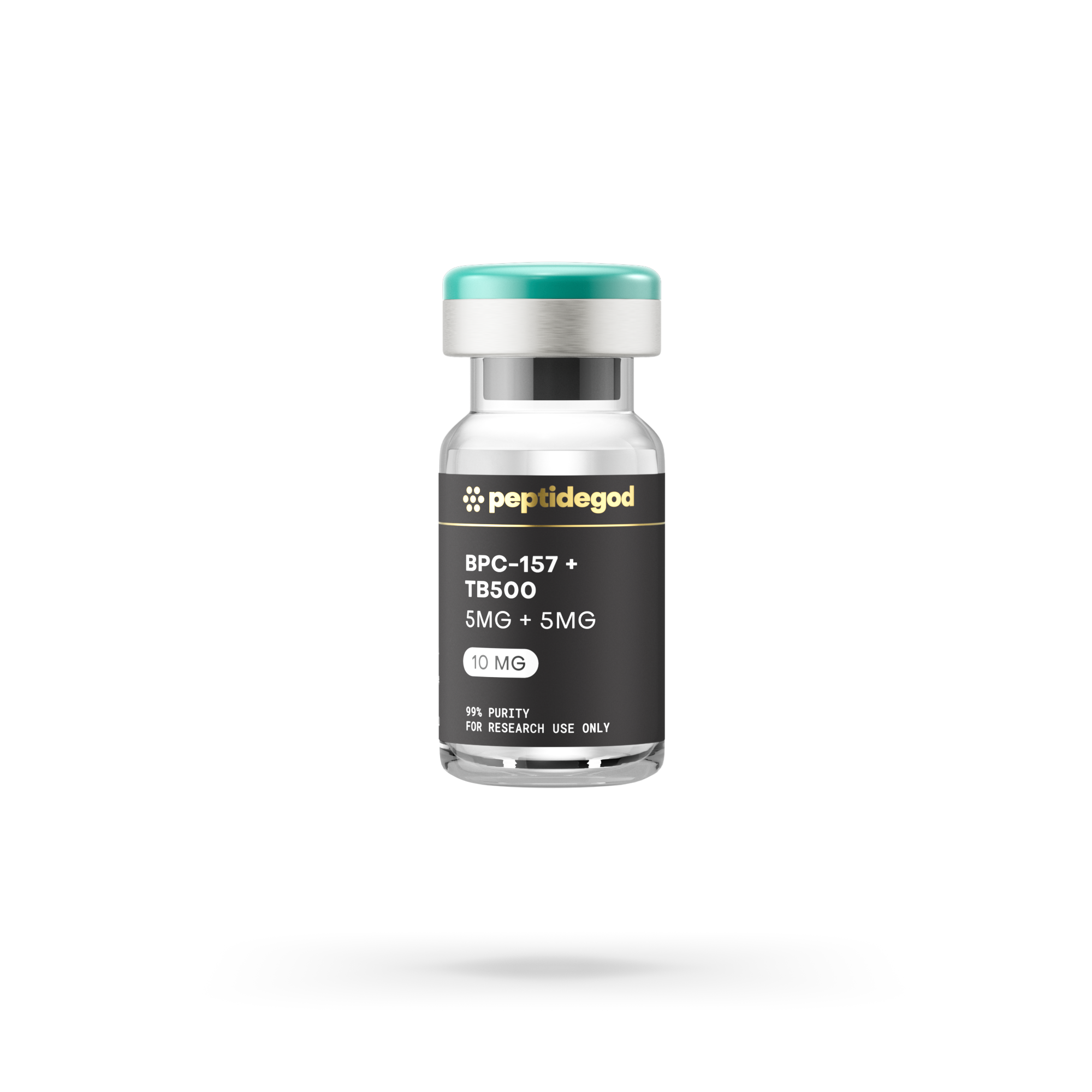
| Peptide God | BPC-157 + TB-500 | Blend | $59.95 | N/A (blend) | Not on page |
The Real Peptides 10mg vial has the lowest price per milligram at $4.32 backed by purity verification. The Peptide God single-peptide vial costs $34.95 and offers an easier checkout process, but lacks a COA that can be viewed by the public. For more piece of information about the vendor, see all injectable peptide brands.
FAQ - BPC-157 Injection
Is BPC-157 approved for human injection?
No. BPC-157 is not approved for human use by the FDA or any other regulatory agency. It is sold as a research chemical for laboratory use only. The FDA has issued warning letters to compounding pharmacies marketing BPC-157 for human use. Consult a licensed healthcare provider before considering any peptide product.
What concentration does 5mg in 2ml of water produce?
The dissolution of 5 mg of BPC-157 in 2 ml of bacteriostatic water yields a concentration level of 2.5 mg/ml, which is equivalent to 250 mcg per 0.1 ml volume. The 0.1 ml measurement on an U-100 insulin syringe amounts to 10 units of the drug. This calculation is purely mathematical and does not constitute a dosage guideline.
How should reconstituted BPC-157 be stored?
Reconstituted peptide solutions should be refrigerated at 2-8 degrees Celsius and used within 28-30 days when preserved with bacteriostatic water. Lyophilized (unreconstituted) BPC-157 is more stable and can be stored refrigerated or frozen for longer periods. Avoid repeated freeze-thaw cycles.
What needle gauge is used in animal studies?
Studies using rodents contain information showing needle size used for injecting BPC-157 to be 25-30 gauge. Actual needle size also depends on how the drug is injected as well as on the species used in the research. Smaller gauges mean less tissue damage. The information provided in the article applies to animal research only.
BPC-157 hasn’t gotten the green light for therapeutic applications relating to humans. The information provided in this page only serves as a summary of research done on animals, and is not a form of medical advice. If you want to explore further into these peptide products, consult a licensed medical practitioner.
From the blog

BPC-157 Nasal Spray vs Injection: What Research Shows
Comparison of BPC-157 nasal spray and injection routes. Published research, bioavailability differences and practical considerations.

Subcutaneous vs Intramuscular BPC-157: Routes in Studies
Comparison of subcutaneous and intramuscular BPC-157 injection routes as used in published animal studies. Study counts, outcomes and route rationale.

BPC-157 Injection Price in 2026: What It Actually Costs
Real BPC-157 injection prices from tested vendors in 2026. Cost per vial, price per milligram and total cost breakdowns.
Reviewed by our experts
Every guide and ranking on this site is checked by a named reviewer before it is published.